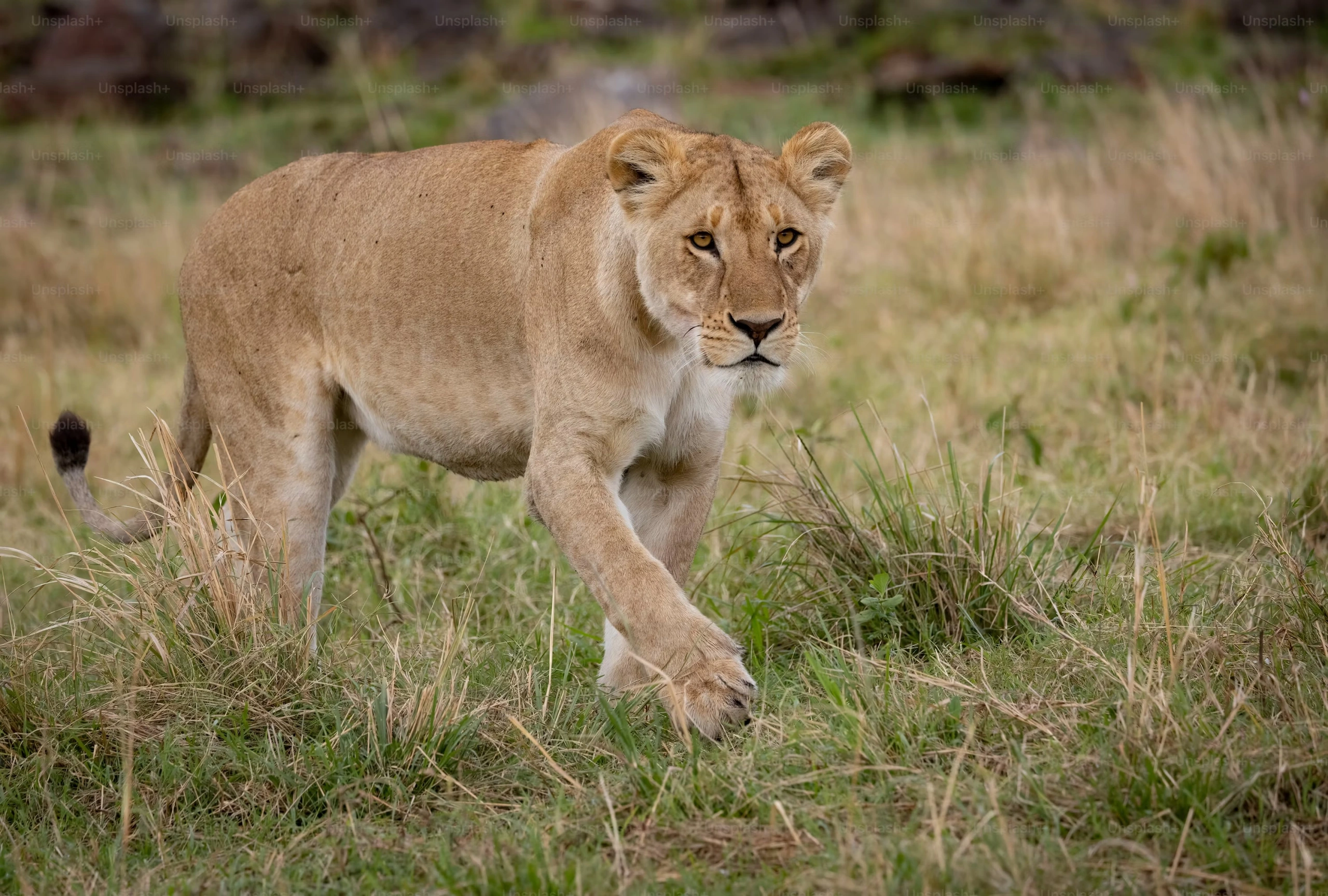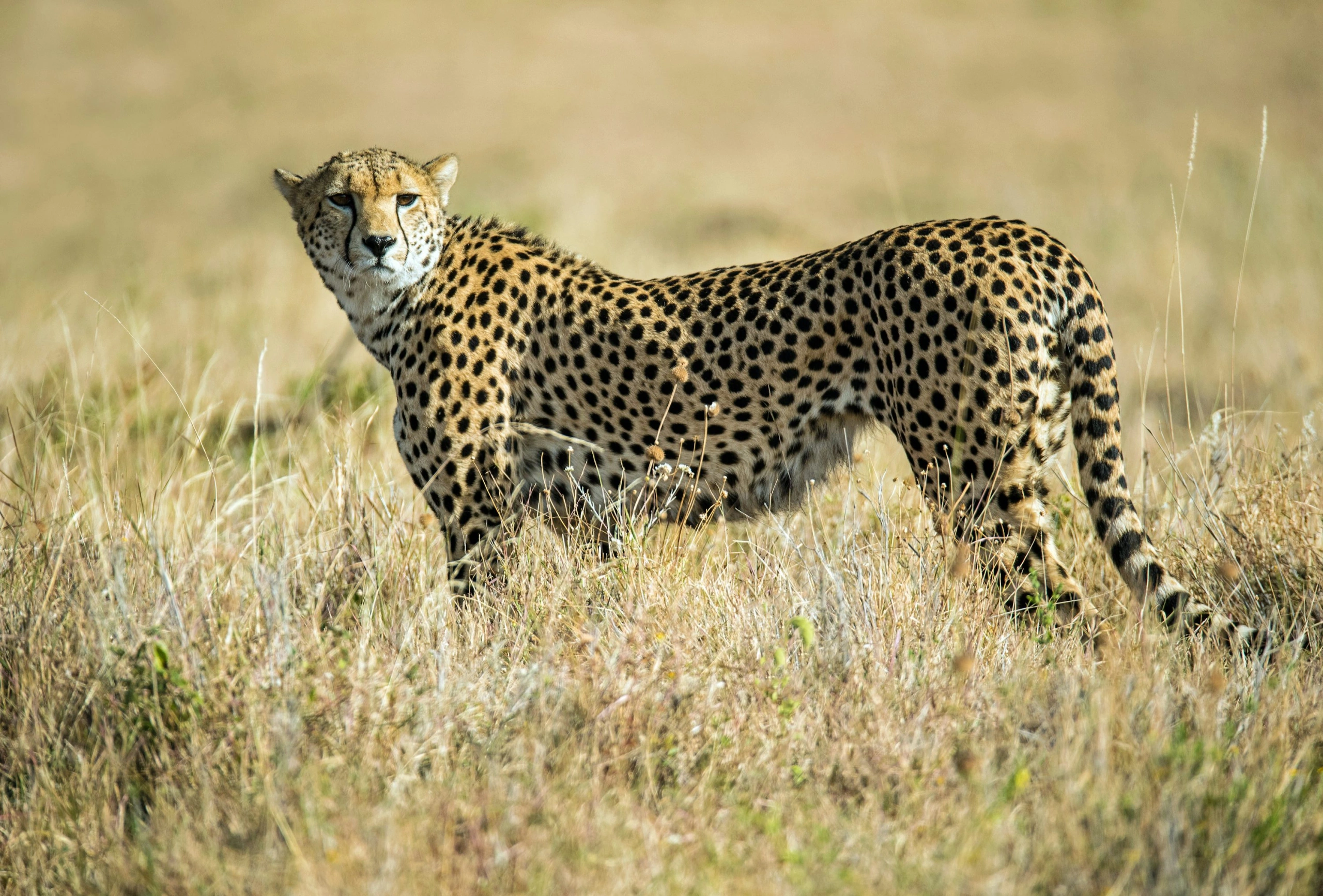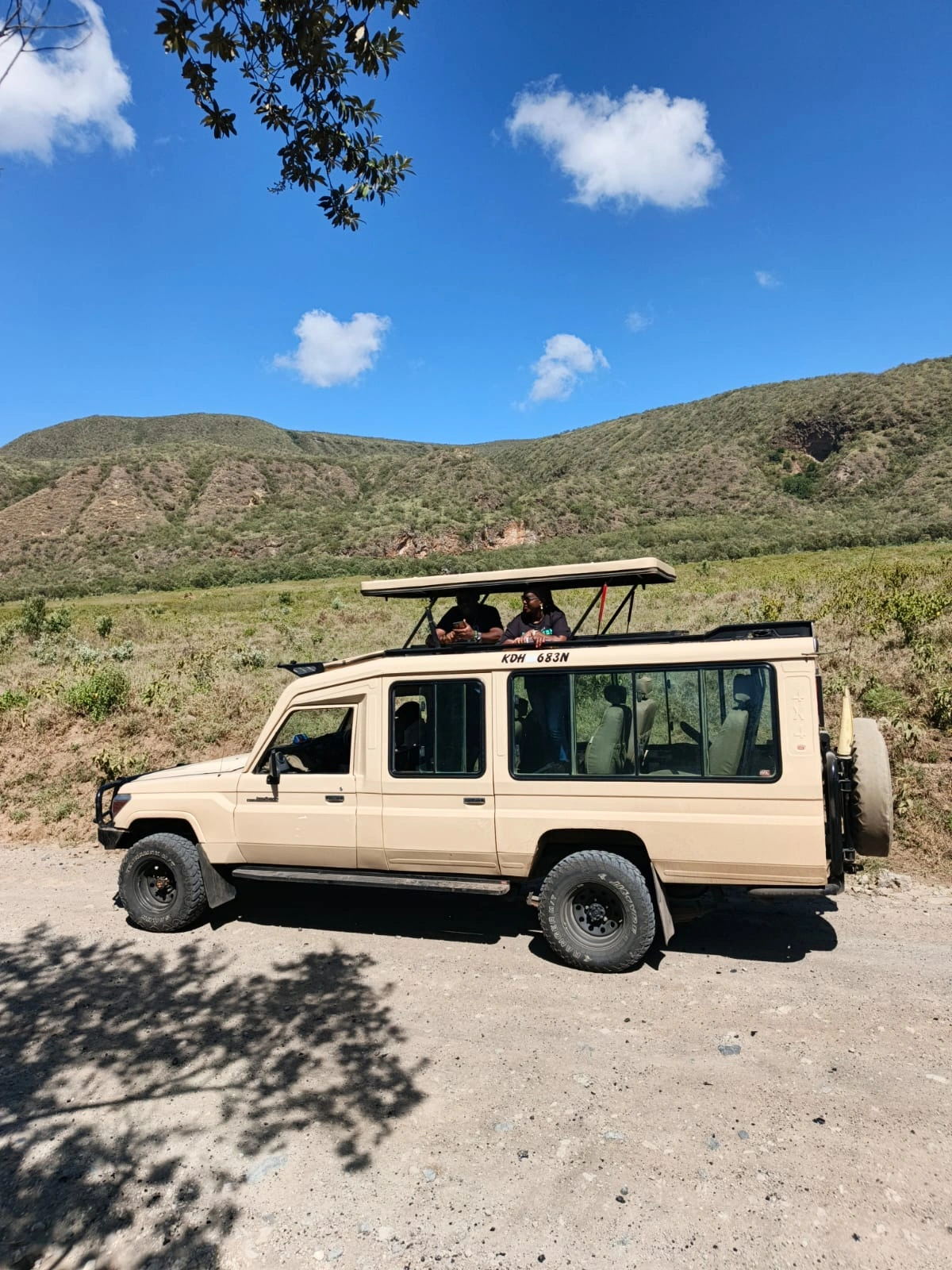
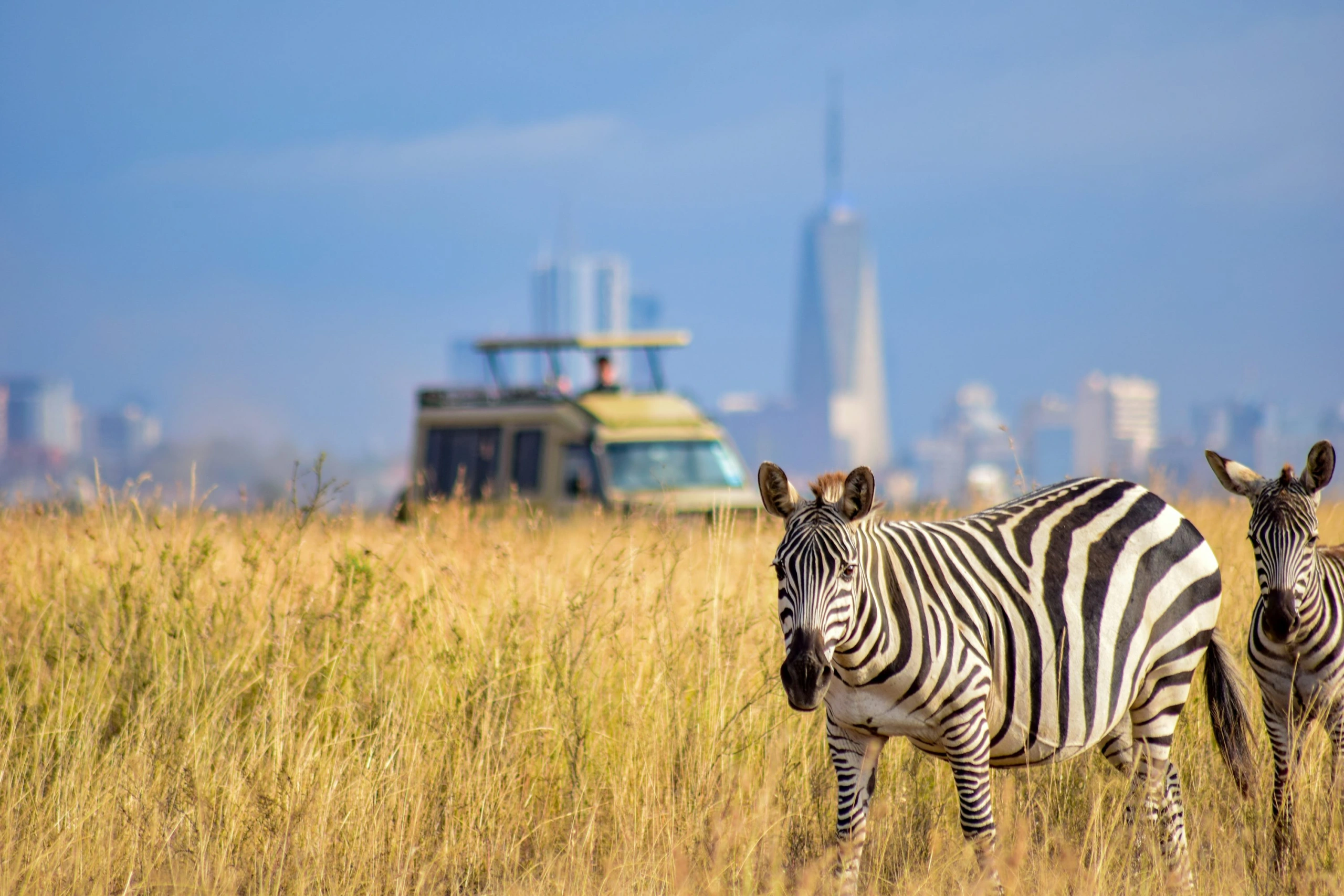
The best time to visit Kenya for safari depends on what you want to see, how much you value green landscapes, whether you mind rain and which destinations are in your itinerary. Kenya is not a destination that shuts down outside one short season. Wildlife areas remain active throughout the year, but conditions change.
Kenya Wildlife Service describes July to December and December to March as major tourism periods in many parks and identifies April to June as the main long rain season. Current guidance is available from Kenya Wildlife Service.
January: warm, relatively dry and excellent for general wildlife viewing
January can be an excellent month for a Kenya safari. Many areas are relatively dry, roads are generally manageable and wildlife remains active around permanent water sources.
Amboseli National Park is attractive for elephants and clear early morning photography when cloud conditions allow. Ol Pejeta Conservancy is also a strong choice for rhino conservation, Big Five wildlife and central Kenya scenery.
February: strong wildlife, warm weather and productive photography
February often continues the drier pattern. It can be especially attractive for travellers who want wildlife viewing without building an itinerary entirely around migration season.
A short 3 Day Amboseli Safari or 3 Day Ol Pejeta Safari works well at this time of year.
March: transition toward the long rains
March can begin dry and become wetter as the month progresses. Conditions vary from year to year. The advantage is that landscapes can start turning greener and visitor numbers may ease outside holiday periods.
Travellers should allow flexibility for road conditions, especially in remote or black cotton soil areas.
April: long rains and green season safari
April is usually associated with the long rains. This does not mean it rains continuously every day, but heavy showers can affect roads and game drive plans.
The rewards include green scenery, dramatic skies, fewer vehicles in some areas and strong photographic colour. Kenya Wildlife Service notes that four wheel drive vehicles may be particularly important during the long rain season.
May: quiet, green and excellent for travellers who value atmosphere
May remains part of the wetter season in many regions. Some camps or properties may close temporarily, so accommodation availability should be checked before building the itinerary.
For birdwatchers and photographers, the green season can be highly rewarding. The trade off is less predictable road access and taller vegetation in some places.
June: transition into a drier wildlife season
June often marks the shift toward drier conditions. Landscapes remain fresh, and game viewing usually becomes easier as vegetation begins to dry.
This can be a very good month for a multi destination route linking Lake Naivasha, Lake Nakuru National Park and the Masai Mara.
July: peak safari season begins
July is one of Kenya's most popular safari months. Dry conditions, shorter grass and increasing migration activity in the greater Mara ecosystem make it especially attractive.
If the Masai Mara is your priority, book accommodation well ahead. Migration timing varies and river crossings are never guaranteed on a specific day.
August: classic Masai Mara migration season
August is strongly associated with the wildebeest migration in the Masai Mara. It is also one of the busiest months, so vehicle numbers and accommodation prices may be higher.
If you are visiting for the migration, spend enough nights in the Mara. A single afternoon game drive is not enough to understand a moving wildlife event.
September: excellent wildlife with dry season conditions
September can offer excellent wildlife viewing across the country. The Mara may still have strong migration activity, while Amboseli, Samburu and other dry country destinations can have good wildlife concentrations around water.
This is also a good month for photographers who prefer dry season visibility and long game drive hours.
October: still rewarding, with weather beginning to change
October often starts dry and can move toward the short rains later in the month. Migration herds may still be in or around the Mara ecosystem, although exact timing varies.
For a balanced itinerary, consider the Mara with Lake Naivasha and Lake Nakuru rather than spending every night in one landscape.
November: short rains, green landscapes and birding
November is commonly associated with the short rains. The countryside becomes greener and migratory birds increase the appeal for birdwatchers.
Travellers who do not mind showers can enjoy a quieter atmosphere and strong photographic conditions. Road planning still matters.
December: festive travel and renewed demand
December can be busy again, especially around Christmas and New Year. Conditions may vary between early and late December, but wildlife viewing remains rewarding.
Accommodation should be booked early for festive dates. Families should also confirm child rates and room configurations before paying deposits.
Best time for the Masai Mara
The Masai Mara offers wildlife throughout the year. July to October is the most famous period because of migration activity, but lion, elephant, giraffe, buffalo and other resident wildlife remain in the ecosystem beyond those months.
Best time for Amboseli
Amboseli is a year round destination. Drier months can make wildlife easier to locate around water, while wetter months create dramatic green landscapes. Mount Kilimanjaro views depend on cloud conditions rather than season alone.
Kenya Wildlife Service identifies Amboseli as a major elephant destination with open plains, acacia woodland, swamps and rich birdlife. See the official Amboseli National Park page.
Best time for Lake Nakuru
Lake Nakuru National Park can be visited year round. It is especially important for rhino conservation and birding. Flamingo numbers vary naturally according to water conditions and food availability.
The official KWS Lake Nakuru page describes the park as a major rhino sanctuary and birding destination.
Best time for Ol Pejeta
Ol Pejeta is also a year round destination. Drier months are comfortable for game drives, while greener periods provide attractive scenery. The conservancy is particularly relevant for travellers interested in rhinos, chimpanzees and conservation experiences.
Check the latest visitor information directly on the official Ol Pejeta website.
Best time for birdwatching in Kenya
Birding can be excellent throughout the year because Kenya has diverse habitats and both resident and migratory species. Wetlands such as Lake Naivasha and Lake Nakuru are particularly important, while Samburu and other northern areas add dry country specialists.
Best time for a first Kenya safari
If you want the simplest weather and wildlife combination, June to October and January to February are strong options. If you value quieter parks, green scenery and birding, consider the wetter shoulder periods instead of automatically avoiding them.
How to choose your month
Ask yourself four questions:
- Is migration activity essential or just a bonus?
- Do you prefer dry landscapes or green scenery?
- Are you comfortable with possible rain and rougher roads?
- Do you want the busiest season or a quieter safari?
There is no single perfect month for every traveller. The best time is the month that matches your priorities and destinations. Browse our Kenya destinations and safari packages, or send your travel month through Plan My Safari and we can build the route around seasonal conditions.